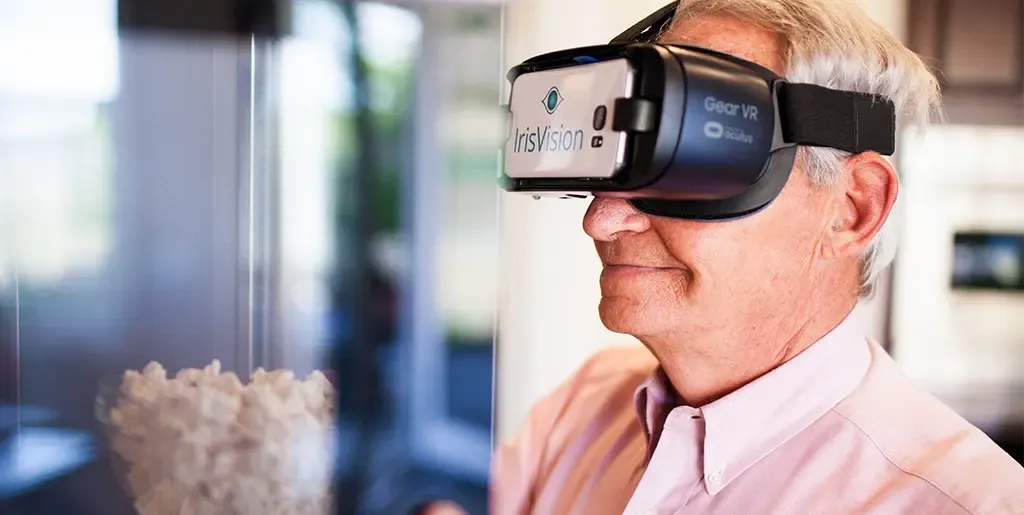
Vision plays a vital role in maintaining independence, especially as people age. Many seniors experience low vision due to conditions such as age-related macular degeneration, glaucoma, diabetic retinopathy, or cataracts. Although low vision cannot be totally corrected with lenses or surgery, the appropriate low vision aids for seniors can make a great difference in daily activity, safety, and change of life. Knowing what options are available, seniors and caregivers can make the choices that will be informative and enlightening.
What Is Low Vision?
Low vision is a term that describes when someone has significant visual impairment that is so severe that it partially prevents or precludes the performance of common routine activities like reading, recognizing faces, or moving safely. Low vision is characterized by decreased visual acuity, restricted peripheral vision, a deficiency in recognizing contrasts, or slow light adaptation. Low vision devices help make the most of the residual vision instead of restoring the lost sight.
Optical Low Vision Aids
One of the most frequently prescribed aids is the optical tool.
Magnifying spectacles: Handheld or stand magnifiers are of great help in reading labels, letters, and books. Some of these models also come with lights built into them to create a better contrast.
High-powered reading glasses: They are stronger than regular reading glasses and can be a good help for close-up tasks.
Telescopic lenses: Mainly, they are used for long-distance vision, which can be activities like watching TV or identifying street signs while being outdoors.
These devices are usually provided only after a low-vision assessment to verify the appropriate magnification and the required working distance.
Electronic and Digital Aids
Electronic magnifiers (CCTV systems): The basic idea behind these devices is the use of a camera to project text or images that are massive onto a screen, thus allowing the user to adjust the magnification and contrast levels.
Tablets and ereaders: Accessibility features like zoom, voice commands, and high-contrast modes make digital reading very easy for people with low vision.
Screen readers and text-to-speech software: Such tools loudly announce the written text thus lessening the need for visual perception.
Electronic aids are especially helpful for prolonged reading or hobbies that require detailed vision.
Mobility and Safety Aids
Low vision may result in a greater chance of falls and accidents. Safeguarding aids facilitating navigation have been developed.
Proper lighting solutions: Brightness-free and adjustable lighting make it possible to see better in the areas that are most crucial, like kitchens and stairs.
High-contrast markings: Walls painted with different colors at stairs, doorways, or where light switches are placed help those with vision problems see better.
Mobility canes: For those with significant vision loss, canes provide tactile feedback and increase confidence when moving outdoors.
Everyday Living Aids
Easy adjustments can be made to all daily tasks, making them easier.
Large-print items: Clocks, phones, books, and keyboards with larger fonts that are easy to use are the ones that have larger fonts.
Talking devices: Talking watches, thermometers, and medication reminders are examples of talking devices that are designed to support independent living.
Labeling systems: Tactile or audio labels are the ones that help identify household items accurately.
Professional Guidance Matters
The process of selecting the right aids depends on the type and severity of vision loss, lifestyle, and personal goals. Clinics specialized in eye health, such as Eye Care of Rigby, conduct thorough eye examinations and low vision evaluations to recommend suitable solutions tailored to the particular needs of patients.
Conclusion
A person’s functional independence and quality of life can be maintained or enhanced with the help of low vision aids, which assist seniors in performing daily activities and reading. A professional’s evaluation will assist seniors in selecting a low vision aid that best meets their needs and ultimately creates a more positive experience for them when performing activities of daily living. Consequently, selecting an appropriate low vision aid for seniors, guided by professional assessment, plays a crucial role in enhancing safety, mobility, and overall quality of life.