Vision care is often approached in fragments—reading glasses for clarity, eye drops for dryness, or occasional checkups when something feels off. Yet the reality is far more interconnected. Eye health exists on a spectrum that ranges from simple daily habits to advanced medical interventions, each playing a role in maintaining long-term clarity.
Understanding this spectrum allows individuals to move beyond reactive care and toward a more informed, proactive approach. Whether it’s managing minor concerns or considering surgical options, the decisions made today can have lasting effects on visual health.
The Foundation: Everyday Eye Care and Prevention
Strong vision often begins with consistent, everyday habits. The eyes are constantly exposed to environmental stressors—screen glare, pollution, and fatigue—that can gradually affect their performance. Addressing these factors early helps reduce strain and supports overall eye function.
Simple practices such as maintaining proper lighting, staying hydrated, and taking regular breaks from screens can make a noticeable difference. These habits are easy to overlook but form the foundation of long-term eye health.
The Role of Skincare Around the Eyes
The delicate skin around the eyes is often one of the first areas to show signs of fatigue or aging. While this may seem cosmetic, it can also reflect underlying stress or lack of rest. Products designed for this area can help maintain skin health and comfort.
For those exploring options, reviews like insights into eye cream effectiveness and user experiences provide a useful perspective. While not a substitute for medical care, these products can complement a broader approach to eye wellness.
When Vision Problems Go Beyond Surface-Level Concerns
At some point, many people notice changes that cannot be addressed by simple adjustments. Blurred vision, difficulty focusing, or increased sensitivity to light may signal underlying refractive errors or structural issues within the eye. These changes often require more targeted solutions.
Corrective lenses remain a common and effective approach, but they do not alter the underlying cause of the problem. For individuals seeking a more permanent solution, surgical options may become part of the conversation.
Recognizing the Limits of Temporary Fixes
Glasses and contact lenses provide immediate clarity, but they come with limitations. They require maintenance, can be inconvenient in certain situations, and may not fully meet the needs of an active lifestyle. Over time, these factors can lead individuals to explore alternatives.
Understanding when these solutions are no longer sufficient is an important step in considering more advanced care.
read more : https://studyheals.com/
How Laser Vision Correction Changes the Approach
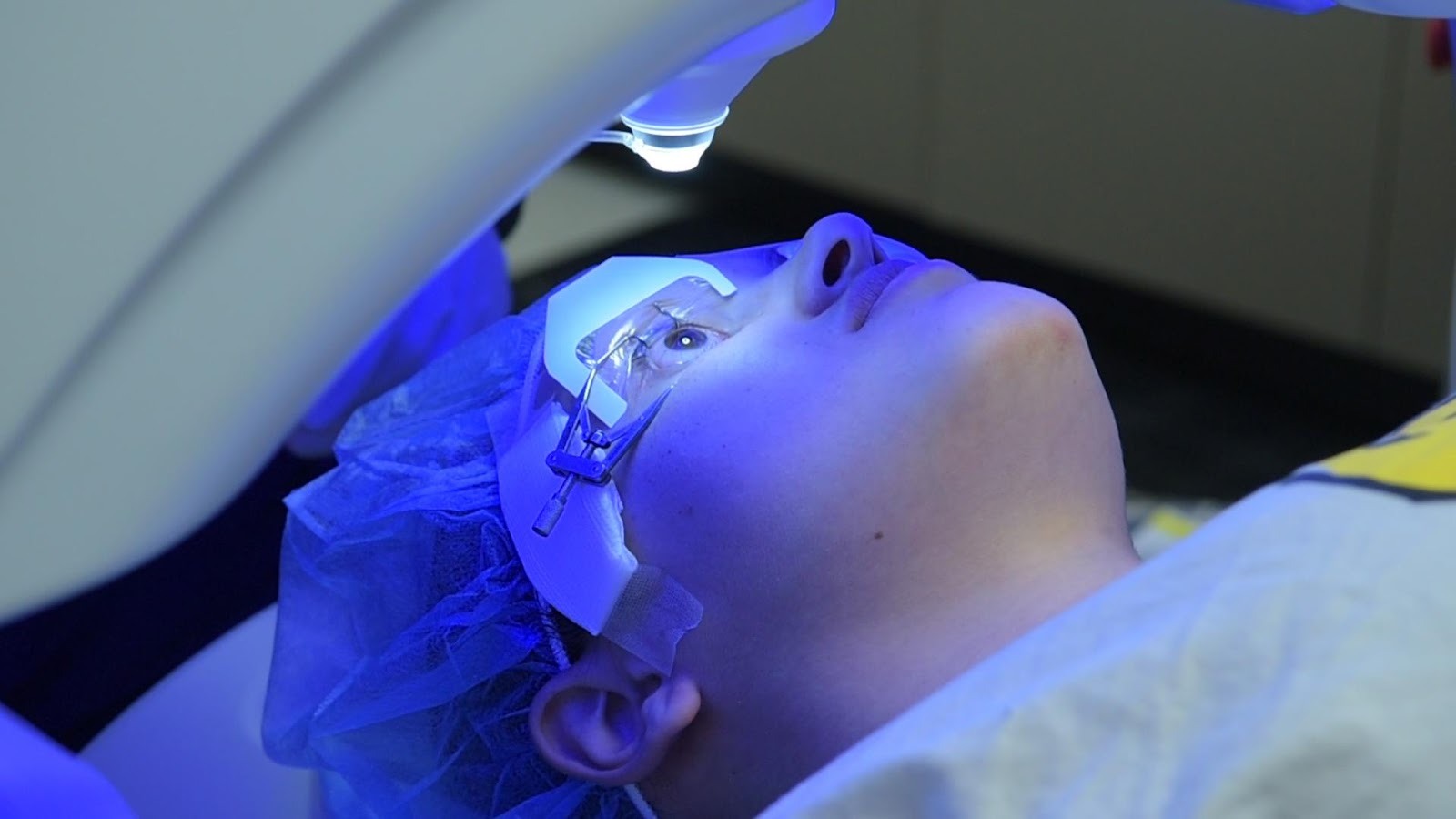
Laser vision correction represents a shift from managing symptoms to addressing the root cause of refractive errors. By reshaping the cornea, these procedures allow light to focus correctly on the retina, improving clarity without the need for external aids.
According to UCSF Health’s overview of laser vision correction, these procedures are designed to treat common conditions such as nearsightedness, farsightedness, and astigmatism. Advances in technology have made them more precise and accessible, with shorter recovery times and improved outcomes.
What Patients Can Expect from the Procedure
The process typically involves detailed mapping of the eye followed by the use of a laser to reshape the cornea. The procedure itself is relatively quick, often completed within minutes, and most patients experience minimal discomfort. Improvements in vision can often be noticed shortly after the procedure.
Recovery varies depending on the individual and the specific technique used, but follow-up care is essential to ensure proper healing and optimal results.
Exploring Surgical Options with Reliable Guidance
Choosing to undergo eye surgery requires a clear understanding of available options and realistic expectations. Patients benefit from exploring resources that provide detailed, unbiased information about different procedures and outcomes.
Platforms such as Eye Surgery Today offer comprehensive insights into modern surgical techniques, helping individuals compare approaches and understand what each option entails. Access to this level of information supports more informed and confident decision-making.
Balancing Benefits and Considerations
While laser surgery can significantly improve vision, it is not a one-size-fits-all solution. Factors such as age, eye health, and lifestyle must be considered when evaluating suitability. Some patients may still require minor corrections or experience temporary side effects during recovery.
Discussing these aspects with a qualified specialist ensures that expectations are aligned with realistic outcomes.
Integrating Eye Care into Overall Wellness
Eye health is closely connected to broader aspects of well-being. Nutrition, sleep, and general health all influence how the eyes function and recover from strain or treatment. A holistic approach to care helps support both immediate comfort and long-term clarity.
For example, diets rich in antioxidants and omega-3 fatty acids can support retinal health, while adequate sleep allows the eyes to recover from daily stress. These factors complement medical treatments and enhance their effectiveness.
Creating a Balanced Approach to Vision Health
Combining preventive habits with professional care creates a more comprehensive strategy. Regular checkups, informed decision-making, and consistent self-care all contribute to maintaining strong vision. This balanced approach ensures that care is both proactive and adaptable.
By addressing both lifestyle and medical factors, individuals can create a sustainable plan for preserving their eyesight.
Conclusion
Vision health is not defined by a single solution but by a combination of choices made over time. From daily habits that reduce strain to advanced procedures that correct underlying issues, each step plays a role in maintaining clarity.
Understanding the full spectrum of eye care allows individuals to make decisions that align with their needs and goals. By staying informed and proactive, it becomes possible to protect and enhance vision in a way that supports both comfort and confidence in everyday life.